
ABOUT US
TRUSTEES
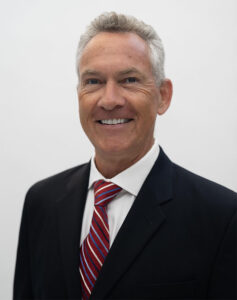
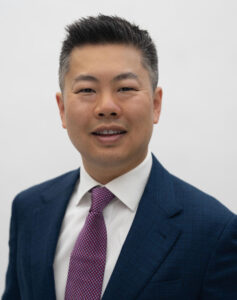
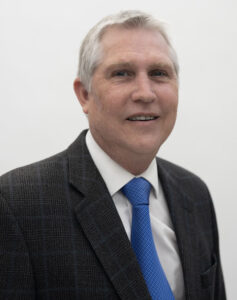
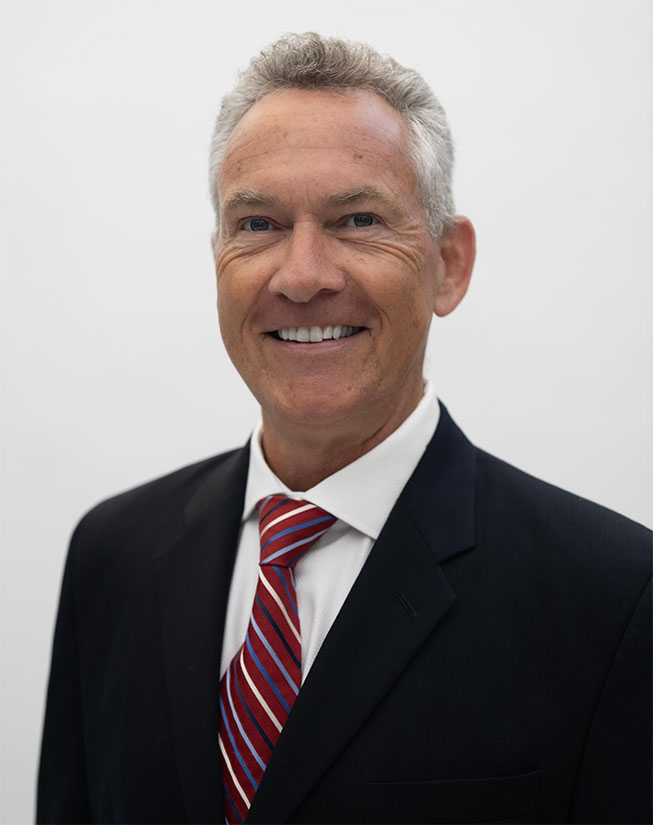
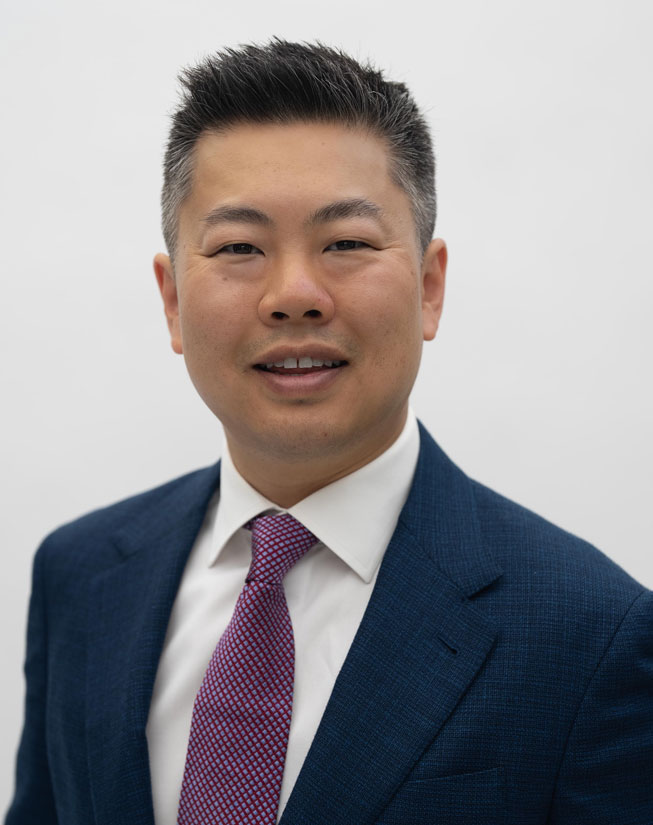
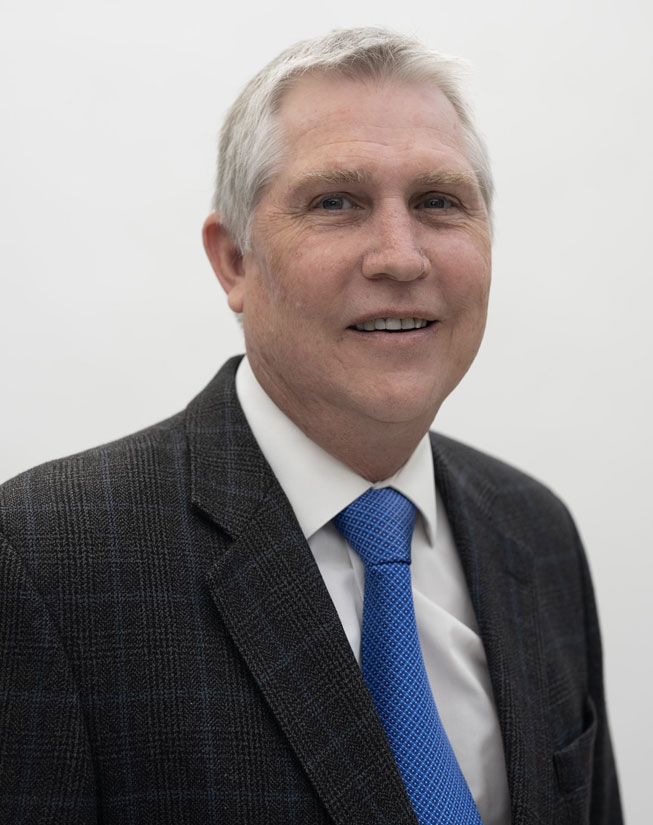
WCMIF’s Trust affairs are directed by the Fund Trustees, currently Mr. R. van der Walle, Mr. A. Sethi and Mr. J. Perks, who all have experience of decades as real estate investors and developers in a wide variety of projects, including condominium rental acquisitions, land syndications and development, infill construction, franchise restaurant developments and investor relations.
CONSULTANTS
For each development project a team of professionals is assembled consisting of architects, engineers, general contractors, construction management, marketing & sales.
LEGAL COUNSEL
WCMIF maintains long standing relationships with leading law firms in the fields of securities laws, construction law and civil law.
PROJECT OPERATIONS TEAM


Our Investment Process & Governance Framework
Project Selection & Due Diligence Process
WCMIF starts with volume and filters aggressively, because most opportunities fail on either economics, execution risk, or alignment with the Fund’s mandate. The first screen focuses on fundamentals that are hard to fix later, such as location quality, planning, and entitlement (permitting) feasibility, realistic exit options, and whether the sponsor and project team have an executable path from today’s acquisition to delivery. Projects that pass the initial screen move into structured underwriting that looks at the full business plan, including a detailed development budget, a timeline that is grounded in real process steps, and a clear mapping of key risks and mitigants. Before capital is committed, major assumptions are stress-tested and, where appropriate, supported by independent third-party inputs such as costing and market data, and the downside case is examined under realistic stress scenarios like higher interest rates, slower absorption, and cost escalation. The goal is not to predict the future perfectly, but to avoid surprises by validating what can be validated and ensuring the plan still works when conditions are less friendly, in short: mitigating risk as much as possible at the outset.
Risk Management & Capital Protection
WCMIF approaches risk the way a careful lender would, with discipline before the money goes out and strict controls once a project is in motion. Risk is managed first through deal structuring, meaning we focus on the parts of the plan that drive outcomes, such as realistic contingencies, financing strategy, and whether the timeline can withstand delays without forcing bad decisions. Capital is then deployed using milestone-based stage gating so major commitments are made progressively as key risks are retired and verified, rather than committing everything up front. That structure is intended to reduce execution risk by creating defined decision points where the project must earn the right to advance to the next phase based on updated information, third-party confirmation where appropriate, and readiness to proceed. Real estate development involves risk, and outcomes are not guaranteed, but the process is designed to make risk visible early and managed deliberately.
Governance, Trustees & Ongoing Project Oversight
The Trustees provide governance oversight to help ensure WCMIF is operated in line with its Trust Indenture and stated objectives, which adds a level of accountability beyond the day-to-day project team. The internal team is responsible for execution, meaning they manage the project through its lifecycle, coordinate the external consultant group, and maintain control over the items that typically create problems in development, such as scope drift, budget creep, schedule slippage, and misalignment between stakeholders. This is where institutional-style management matters in practice, because it is not only about approving a plan at the beginning, it is about tracking progress against that plan, forcing clarity when assumptions change, and making structured decisions rather than reactive ones. The aim is consistent, professional management from underwriting through completion, with governance oversight that supports disciplined decision-making.
Investor Reporting & Ongoing Communication
WCMIF is built around predictable, structured communication rather than occasional updates when material changes occur or something big happens. Investors receive quarterly reporting that covers progress against milestones, the current view of schedule and budget, and the key drivers that matter most to outcomes, including major risks, mitigants, and upcoming decision points. When material events occur, such as approvals, financing milestones, or major construction stages, additional updates are provided so investors are not left waiting for the next quarter to understand what changed and why it matters. The intent is to give investors a clear view of how the business plan is tracking and what the team is focused on next, without overwhelming them with technical noise.
What Distinguishes WCMIF’s Investment Approach
Most investors gain real estate exposure through direct property ownership or through publicly traded vehicles such as REITs. Direct ownership can be competitive and time- and capital-intensive, and REITs can be a simple, liquid way to get diversified exposure, but they often trade like equities, can be sensitive to interest rates, and are typically weighted to stabilized assets, which can limit exposure to development upside. WCMIF is designed as a practical middle ground, offering pooled access to professionally managed development opportunities that are difficult to source, underwrite, and execute individually, supported by institutional-style underwriting, independent validation where appropriate, and milestone-based stage gating so major commitments are made progressively as key risks are retired.
Our Investment Process & Governance Framework
Our Investment Process &
Governance Framework
Project Selection &
Due Diligence Process
WCMIF starts with volume and filters aggressively, because most opportunities fail on either economics, execution risk, or alignment with the Fund’s mandate
The first screen focuses on fundamentals that are hard to fix later, such as location quality, planning, and entitlement (permitting) feasibility, realistic exit options, and whether the sponsor and project team have an executable path from today’s acquisition to delivery. Projects that pass the initial screen move into structured underwriting that looks at the full business plan, including a detailed development budget, a timeline that is grounded in real process steps, and a clear mapping of key risks and mitigants. Before capital is committed, major assumptions are stress-tested and, where appropriate, supported by independent third-party inputs such as costing and market data, and the downside case is examined under realistic stress scenarios like higher interest rates, slower absorption, and cost escalation. The goal is not to predict the future perfectly, but to avoid surprises by validating what can be validated and ensuring the plan still works when conditions are less friendly, in short: mitigating risk as much as possible at the outset.
Risk Management &
Capital Protection
WCMIF approaches risk the way a careful lender would, with discipline before the money goes out and strict controls once a project is in motion
Risk is managed first through deal structuring, meaning we focus on the parts of the plan that drive outcomes, such as realistic contingencies, financing strategy, and whether the timeline can withstand delays without forcing bad decisions. Capital is then deployed using milestone-based stage gating so major commitments are made progressively as key risks are retired and verified, rather than committing everything up front. That structure is intended to reduce execution risk by creating defined decision points where the project must earn the right to advance to the next phase based on updated information, third-party confirmation where appropriate, and readiness to proceed. Real estate development involves risk, and outcomes are not guaranteed, but the process is designed to make risk visible early and managed deliberately.
Governance, Trustees &
Ongoing Project Oversight
The Trustees provide governance oversight to help ensure WCMIF is operated in line with its Trust Indenture and stated objectives, which adds a level of accountability beyond the day-to-day project team
The internal team is responsible for execution, meaning they manage the project through its lifecycle, coordinate the external consultant group, and maintain control over the items that typically create problems in development, such as scope drift, budget creep, schedule slippage, and misalignment between stakeholders. This is where institutional-style management matters in practice, because it is not only about approving a plan at the beginning, it is about tracking progress against that plan, forcing clarity when assumptions change, and making structured decisions rather than reactive ones. The aim is consistent, professional management from underwriting through completion, with governance oversight that supports disciplined decision-making.
Investor Reporting &
Ongoing Communication
WCMIF is built around predictable, structured communication rather than occasional updates when material changes occur or something big happens.
Investors receive quarterly reporting that covers progress against milestones, the current view of schedule and budget, and the key drivers that matter most to outcomes, including major risks, mitigants, and upcoming decision points. When material events occur, such as approvals, financing milestones, or major construction stages, additional updates are provided so investors are not left waiting for the next quarter to understand what changed and why it matters. The intent is to give investors a clear view of how the business plan is tracking and what the team is focused on next, without overwhelming them with technical noise.
What Distinguishes
WCMIF’s Investment Approach
Most investors gain real estate exposure through direct property ownership or through publicly traded vehicles such as REITs.
Direct ownership can be competitive and time- and capital-intensive, and REITs can be a simple, liquid way to get diversified exposure, but they often trade like equities, can be sensitive to interest rates, and are typically weighted to stabilized assets, which can limit exposure to development upside. WCMIF is designed as a practical middle ground, offering pooled access to professionally managed development opportunities that are difficult to source, underwrite, and execute individually, supported by institutional-style underwriting, independent validation where appropriate, and milestone-based stage gating so major commitments are made progressively as key risks are retired.
A MESSAGE FROM THE CEO
Dear investor,
Real estate investing has created vast amounts of wealth for global investors for many decades.
Long the realm of only the wealthy, we created WCMIF to enable everyone to participate in the ongoing opportunity of this wealth creation that Canada provides.
Canada faces a crisis: Housing affordability and availability.
According to CMHC reports, Canada will be more than 3.5 million dwellings behind where it needs to be by the year 2030.
WCMIF enables you to use your savings to help create these much-needed homes. You receive a solid return on your investments while fellow Canadians receive a new home.
We invest in our own, local real estate projects and hire local people to bring them to reality, improving our own backyard through economic activity and real estate developments.
We call it common-sense investing.
I invite you to join us.

Ralph J. van der Walle